Considering a luxury new build in Fort Myers, but not sure how to compare communities, contracts, and long-term costs? You’re not alone. High-end new construction here can be stunning, but the details matter, from flood zones to warranties and membership fees. In this guide, you’ll learn what luxury new construction looks like in Lee County, how builder contracts differ from resale, and a clear checklist to protect your interests. Let’s dive in.
Why build luxury in Fort Myers now
Fort Myers is shifting toward a more balanced market with steady new-home activity and master-planned options. That means more choice, better upgrade packages, and realistic timelines. If you want modern design, energy features, and resort-style amenities, new construction deserves a close look. The key is comparing total costs and quality across communities so you buy with confidence.
What “luxury new construction” includes
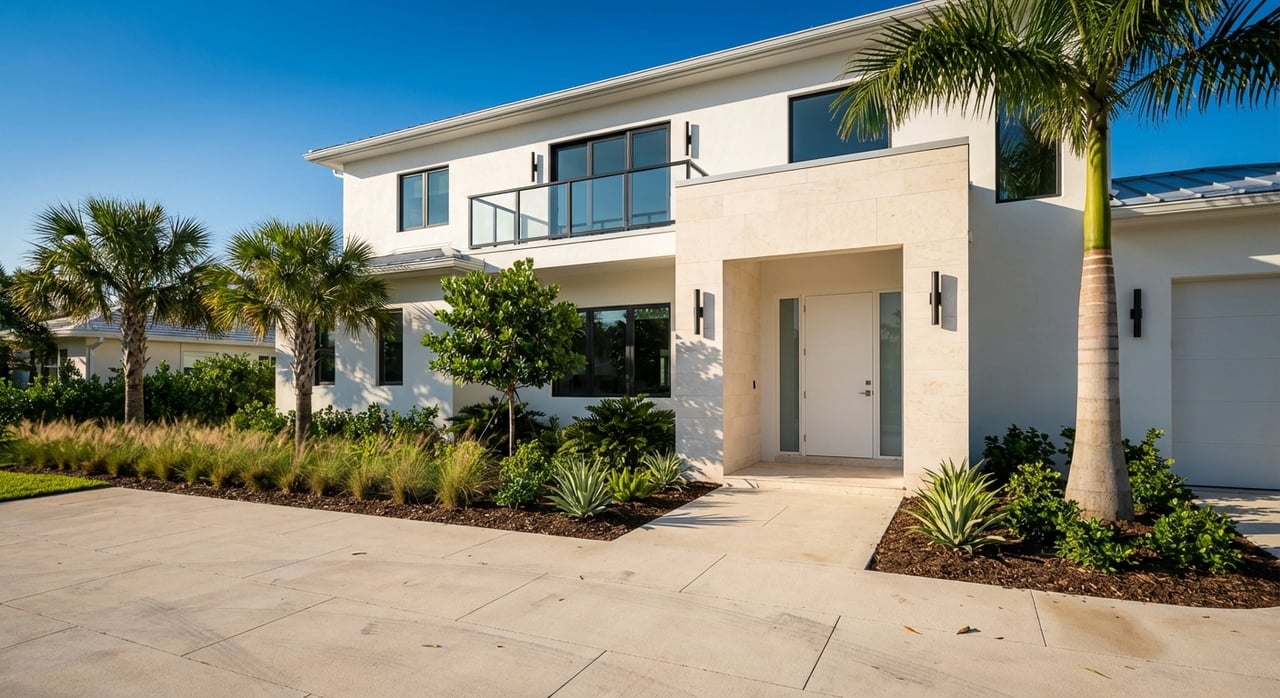
Luxury and near-luxury plans in Fort Myers often range from roughly 2,000 to 5,000+ square feet with 1–2 stories. You’ll see large open kitchens with islands and walk-in pantries, flexible den or office spaces, first-floor primary suites, and extended lanais that blend indoor-outdoor living. Premium homesites often allow 3-car garages, pools, and full summer kitchens.
Design priorities are clear: outdoor living, efficient but upscale kitchens, and flexible work spaces. National research confirms these trends, including strong interest in energy tech and smart features. See how today’s buyers prioritize outdoor rooms, storage, and home tech in the latest insights from the National Association of Home Builders in What Home Buyers Really Want 2024 at NAHB.
You’ll also find large pocketing sliders, impact-rated openings, and pre-wired smart systems in many luxury lines. Master-planned settings like Babcock Ranch highlight green building, solar positioning, and next-gen amenities that set a high bar for what new builds can deliver.
Amenities to expect in high-end communities
Master-planned communities often feature resort-style pools, clubhouses with fitness and spa services, on-site dining, and multiple courts for pickleball and tennis. Lake or canal communities may offer marinas or boat ramps. In the highest tier, you might see concierge-style services and robust activity programming.
Smaller gated enclaves focus on privacy, security, and premium lot positioning. Homesites are sized for pools, large lanais, and private docks where allowed. In both settings, builder reputation and lot selection drive value, so compare carefully before you sign.
Flood, insurance, and code essentials in Lee County
- Flood maps: FEMA’s updated Flood Insurance Rate Maps for Lee County took effect November 17, 2022. Always confirm the flood zone for any lot and request an Elevation Certificate. Flood zones can affect required elevation, permitting, and insurance premiums. Review the county’s map changes at Lee County Flood Info.
- Building code: Florida’s 8th Edition Florida Building Code became effective December 31, 2023. Ask each builder which code edition your home is designed to meet, including wind-load ratings and the product approvals for windows and doors. Learn more about statewide code standards at the Florida Building Commission.
- Insurance: Florida’s property insurance market has shown signs of stabilization after recent legislative changes, though coastal counties like Lee can still face higher premiums. Get early quotes for both wind coverage and flood coverage to confirm true affordability. See an overview of market shifts at Prime Group Insurance.
HOA, CDD, and fee structures you should model
Many luxury communities in Southwest Florida use Community Development Districts to finance infrastructure and large amenities. CDD assessments typically appear on your property tax bill and are separate from HOA dues. You should obtain the district’s budget, the adopted assessments for debt service and operations, and confirm whether bond prepayment is an option. For background on how CDDs work, review this overview at Collier County CDDs.
When you compare communities, calculate total monthly cost, not just your mortgage. Add principal and interest, taxes, HOA dues, CDD assessments, flood and wind insurance, and expected maintenance. This apples-to-apples view helps you see the true difference between similar neighborhoods.
Builder contracts vs resale: what changes
Builder sales agreements are not the standard FAR/BAR resale forms. They are builder-drafted and favor the seller. Registration rules can affect incentives and your agent’s procuring-cause rights, so bring your agent before your first model-home visit. Learn why early representation matters at New Home Hero.
Deposits are usually higher and may become non-refundable once selections are locked. Some builders resist sale-of-home or open-ended financing contingencies. Incentives like rate buydowns or closing cost credits may require use of the builder’s preferred lender or title provider. Confirm all terms in writing before you commit.
Inspections and quality control for new builds
Even new homes need independent inspections. In Florida, phased inspections are best practice: pre-pour or slab, pre-drywall, final walk, and an 11-month warranty inspection. This creates punch lists for corrections and documents performance under warranty. See what a phased program looks like at Eagle Eye Home Inspection.
Ask your builder if they allow inspector access at each milestone and how they handle third-party findings. Your contract should outline timelines for punch list work and any remedies if deadlines are missed.
Warranties: your new statutory protection
Effective July 1, 2025, Florida law requires a minimum one-year builder warranty for newly constructed single-family homes. This statutory warranty covers construction defects that cause material violations of the Florida Building Code. Read the statute at Florida Statutes 553.837.
Many builders also provide a 1-2-10 program through a third-party administrator. That often means one year for workmanship, two years for systems, and ten years for structural coverage. Compare coverage details, claim procedures, and transferability using guidance from 2-10 Home Buyers Warranty.
Document all issues in writing, submit claims per the builder’s procedures, and calendar each deadline. If a dispute arises, follow the warranty process and preserve your rights under the statute.
A simple framework to compare builders and communities
Use this checklist to collect, document, and compare offers:
- Price metrics
- Base price, price per square foot, lot premium
- Options pricing sheet with line items
- Inclusions vs upgrades
- Exact list of standard features and finishes
- Written allowances for appliances, fixtures, and surfaces
- Fees and recurring costs
- HOA dues, reserves status, and any transfer or initiation fees
- CDD assessments split by debt service vs operations and maintenance
- Estimated property taxes based on contract price
- Insurance and site risk
- Flood zone and latest Elevation Certificate
- Wind mitigation features and sample insurance quotes
- Warranty and service
- One-year statutory warranty acknowledgment and any 1-2-10 coverage
- Claims process, response time, and service portal access
- Build timeline and remedies
- Written schedule, allowance for delays, definition of substantial completion
- Liability for missed dates, if any
- Restrictions and memberships
- Rental minimums or caps, pet rules, and club requirements
- Any marina, golf, or lifestyle membership obligations
- Builder reputation
- License and complaint history on MyFloridaLicense
- Litigation or public records search for the builder entity
Ten questions to ask every builder
- Has your company built in this community before, and can I tour completed homes or speak with recent buyers?
- Which features are included in the base price, and can I have a written selections and pricing sheet for upgrades?
- What is the full deposit schedule, and which portions are refundable at each stage?
- What warranties do you provide, who administers them, and how do I submit a claim?
- Has this lot been affected by FEMA flood map changes, and can you provide the latest Elevation Certificate? See county guidance at Lee County Flood Info.
- Is this community in a CDD, and can I review the engineer’s report, current bond schedule, and adopted O&M budget? Learn background at Collier County CDDs.
- Who handles post-close service, and what is the average turnaround time for warranty items?
- What are the selection deadlines, and what happens if a chosen finish is backordered or discontinued?
- How do I register my agent so I can tour models without affecting representation or incentives?
- Can I receive a sample contract and a reasonable review window to consult a real estate attorney before signing?
Your step-by-step plan
- Clarify your must-haves
- Choose your lot type, size, exposure, and preferred community amenities.
- Verify site risk and costs early
- Pull flood zone data and an Elevation Certificate. Request sample wind and flood quotes. Confirm HOA and CDD numbers.
- Tour models with representation
- Register with your agent before visiting sales centers to protect your interests and incentives.
- Price the home you want, not the base model
- Build a full options sheet and ask for written allowances where needed.
- Lock inspections and timelines into the contract
- Add phased inspection access and clear punch list timelines.
- Collect final documents before you sign
- Request the builder’s written warranty, the CDD O&M and debt schedule, and the latest Elevation Certificate.
How we help
Luxury new construction is about smart choices, not just beautiful models. With white-glove guidance, strong negotiation, and meticulous contract review, you can secure the right lot, the right plan, and the right protections for your investment. If you are weighing multiple master-planned communities or a custom build, we will help you compare true monthly costs, warranty coverage, and long-term resale position.
Ready to build with confidence in Fort Myers? Schedule a Private Consultation with Daniel Abreu and get a tailored new-construction plan for your goals.
FAQs
What does luxury new construction typically include in Fort Myers?
- Expect open plans, first-floor primary suites, extended lanais, impact-rated openings, and options for pools, outdoor kitchens, and smart home features.
How do CDD assessments affect my monthly costs in Lee County?
- CDD assessments are added to your property tax bill and are separate from HOA dues, so include them when modeling total monthly costs.
Do I still need inspections on a brand-new home?
- Yes. Independent phased inspections at slab, pre-drywall, final, and 11 months help catch issues early and document warranty claims.
What new warranty protection applies in Florida after July 1, 2025?
- Florida requires a minimum one-year builder warranty for material Florida Building Code violations, and many builders also offer 1-2-10 coverage.
How do FEMA flood map changes impact luxury builds in Fort Myers?
- Map updates can change elevation requirements and flood insurance premiums, so verify the flood zone and request an Elevation Certificate for the lot.
What should I verify in a builder contract versus a resale contract?
- Confirm deposits and refund rules, allowed contingencies, inspection access, build timelines, warranty process, and any preferred-lender requirements.