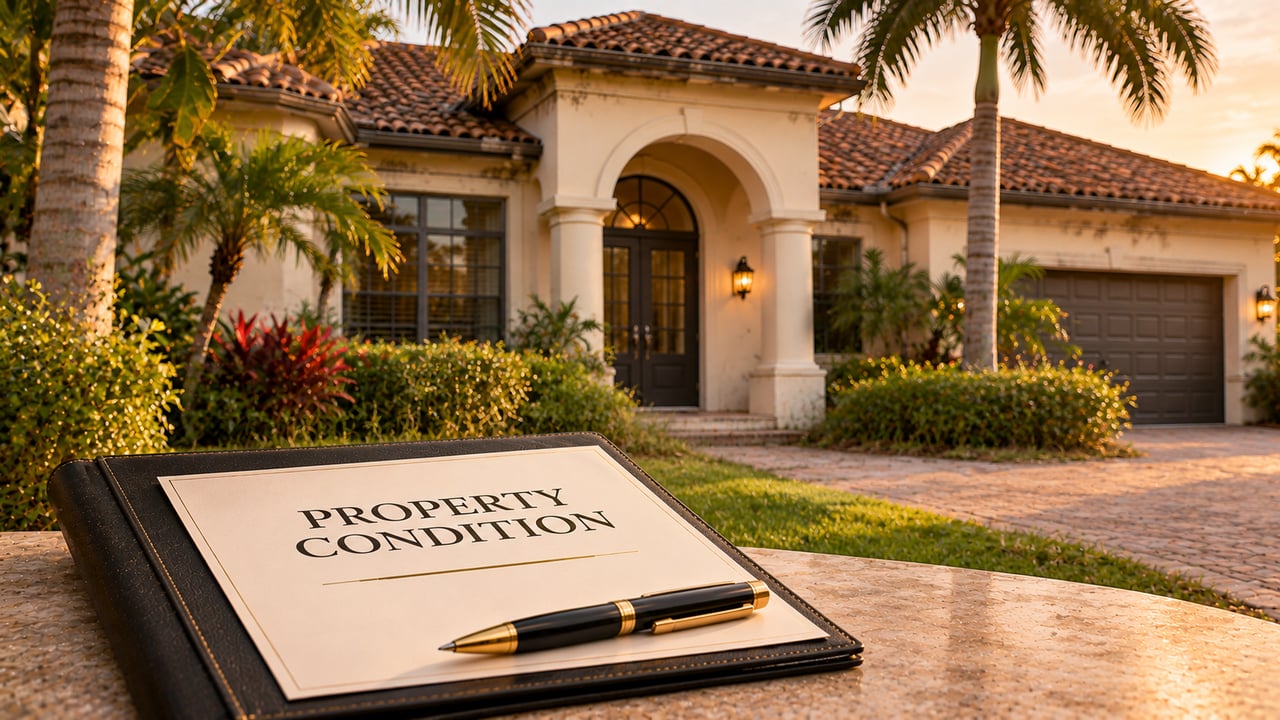
Long-term homeowners in SWFL face a specific pricing challenge: the market has moved enormously over the past decade, and the numbers that feel right are often the numbers from memory, not from today’s market. Getting the price right — not too aggressive, not leaving money on the table — requires a data discipline that most long-term owners find uncomfortable until they see the actual comparables.
The Long-Term Homeowner’s Pricing Problem
If you’ve owned a SWFL home for ten years or more, you’ve lived through one of the most dramatic real estate run-ups in this market’s history. Values that climbed steadily from 2013 to 2019, then accelerated dramatically from 2020 through 2022, left many long-term owners sitting on equity that feels almost unreal.
The problem isn’t that the equity isn’t there. It’s that the market has moved in both directions since the 2022 peak, and the number a long-term owner carries in their head is often anchored to the highest price they ever heard for their neighborhood — which may have been a 2022 outlier, a neighbor’s inflated listing that never sold, or a Zillow estimate from a year ago that hasn’t caught up with actual closed sales. Our SWFL real estate market update for November 2026 shows where things stand now.
Pricing a home you’ve owned for a decade requires a clean separation between what you feel the home is worth — shaped by years of investment, improvement, and attachment — and what buyers in today’s market will actually pay. Those numbers are related, but they’re not the same thing, and conflating them is the most common and most costly mistake long-term sellers make.
Why Emotional Anchoring Is the Biggest Risk
Long-term homeowners have a specific form of emotional anchoring that shorter-term sellers typically don’t: the memory of what they paid, what they’ve put in, and what they’ve heard neighbors discuss.
None of those are reliable pricing inputs. What you paid in 2008 or 2014 is irrelevant to what a buyer will pay in 2026. What you’ve spent on improvements rarely returns dollar-for-dollar in a sale — buyers value condition and presentation, not receipts. What a neighbor told you they heard someone got last spring is anecdote, not data.
The only number that matters for pricing is what comparable properties have actually sold for in the last 90 days. That’s the market telling you what buyers will pay. Everything else is a distraction.
What a Real Comparative Market Analysis Looks Like
A serious CMA for a long-term owner’s home involves three to five recently closed sales of comparable properties — same general size, same general condition, same community or comparable community, sold within the last 90 days. Each comparable is adjusted for meaningful differences: square footage, lot size, pool presence, renovation level, floor level for condos, golf or water views.
The adjustments matter because no two homes are identical. A comparable that sold for $850,000 but has a significantly upgraded kitchen compared to your home isn’t evidence that your home is worth $850,000. The adjustment process is what turns comparable sales data into a defensible price range for your specific property. An agent who can’t explain those adjustments clearly is a red flag — here’s how to choose the right SWFL listing agent.
What a good CMA produces is a range — typically $50,000 to $100,000 wide for mid-range SWFL properties, wider for luxury — within which the market evidence is strongest. Where within that range to list depends on condition, timing, and how important speed is relative to maximizing price.
What Long-Term Improvements Actually Do to Value
This is the conversation most listing agents don’t want to have with sellers, but it matters for long-term owners specifically: renovations and improvements you’ve made over the years affect your home’s value — but not in a way that’s proportional to what you spent.
The return on home improvements in a real estate sale varies enormously by improvement type, quality of execution, and how the market has moved since the work was done. A kitchen renovation from 2016 is not worth its full original cost to today’s buyers — it’s ten years old, tastes have changed, and buyers factor in the age of everything when they evaluate a home. A recently completed renovation is worth more because buyers value newness and condition.
What improvements do in a sale is affect where within the market price range a home lands — a fully updated, well-maintained home at the top of the range; a dated but functional home at the bottom. The improvements don’t create value above the market range that comparables support.
The honest framing: your improvements have kept your home competitive and helped it maintain and build value over time. They are not a separate line item that buyers will pay dollar-for-dollar for in 2026. That adjustment in expectations — from “here’s what I’ve put in” to “here’s what the market supports” — is the most important mindset shift for long-term sellers.
The Risk of Overpricing in a Seasonal Market
SWFL’s seasonal market creates specific risk for long-term owners who overprice. The buyers who are most motivated — who have come to market early in the season, done their research, and are ready to move — look at new listings closely in the first two weeks. If a listing is priced above what the market supports, those buyers pass, make offers on other properties, and move on.
The listing accumulates days-on-market. When peak season arrives with fresh buyers in January and February, those buyers see the DOM counter. A listing that has been on the market for 90 days during prime season is a listing buyers assume has a problem — overpricing, condition issues, or something the seller isn’t disclosing. The price reduction that follows signals weakness and rarely recovers the full value of a correctly priced original listing. It’s the same pattern behind why SWFL luxury listings go stale — and the fix starts with price.
The right price, listed at the right time, outperforms the aspirational price every time in a seasonal market. It’s also why SWFL sellers who list early in season get better outcomes than those who wait.
What “Leaving Money on the Table” Actually Means
Long-term owners often worry about underpricing and leaving money on the table. That’s a legitimate concern — but underpricing and pricing correctly are not the same thing.
A correctly priced SWFL home in a healthy market segment creates competition among buyers, moves quickly, and often receives multiple offers — which drives the final sale price up toward or above the list price. An overpriced home sits, requires reductions, and ultimately sells for less than a correctly priced listing would have produced.
The way to maximize net proceeds for a long-term owner is not to push the list price above what the market supports. It’s to price correctly, present the home well, and let buyer competition do what it does in a supply-constrained market.
Guaranteed Sale Program
If you’re a long-term SWFL homeowner ready to sell, ask me about my Guaranteed Sale Program. I’ll sell your home in 60 days, or I’ll waive my commission. That commitment is built on correct pricing — and I’ll walk you through the data that gets us there.
Ready to Have the Pricing Conversation?
If you’ve owned your SWFL home for a decade or more and you’re thinking about selling, I’m happy to run a data-backed CMA and walk you through what the market actually supports — no pressure, just numbers.
Call or text: 727.638.1704
Email: [email protected]
Website: theabreugroup.com
— Daniel
Frequently Asked Questions
How do I know what my SWFL home is worth today if I haven’t sold in years?
A comparative market analysis based on actual closed sales of comparable properties in the last 90 days is the most reliable way to establish current market value. Zillow estimates and neighbor conversations are not reliable. What buyers have actually paid for comparable homes recently is the only number that matters for pricing decisions.
Does a renovation I did 10 years ago add value to my home today?
It contributes to the home’s overall condition and competitiveness, but its value to today’s buyers is not the same as its original cost. A renovation from a decade ago is now ten years old and buyers factor that into their perception of condition. Improvements affect where within the market price range a home lands — they don’t create value above what comparable sales support.
Is it better to list high and negotiate down, or list at market value?
In SWFL’s seasonal market, listing at market value consistently produces better outcomes than testing a higher price. Correctly priced homes move in the first two weeks of listing when buyer attention is highest. Overpriced homes accumulate days-on-market, require reductions, and ultimately sell for less than a correctly priced listing would have produced. The strategy of listing high to negotiate down sounds appealing but rarely works in practice.
What is the risk of overpricing in SWFL’s seasonal market specifically?
Season brings a rush of motivated buyers in November through March. Those buyers evaluate new listings quickly and move on if the price doesn’t support the value. A listing that sits through the peak of season with accumulated days-on-market enters the spring market at a disadvantage — reduced buyer pool, price reduction signals, and potentially no second chance at peak pricing. Overpricing in a seasonal market is more costly than in a steady-state market.
How much of what I’ve put into the house should I expect to get back when I sell?
Returns on home improvements vary widely by improvement type, age, and quality. Generally, cosmetic and functional updates — fresh paint, updated fixtures, well-maintained systems — help maintain and enhance position within the market range but rarely return their full cost. The honest framing is that improvements affect condition and competitiveness, which affects where within the range a home prices and how quickly it sells.
What should I look for in the comparables my agent shows me?
Recency (last 90 days ideally), similarity in size and type, comparable community or location, and similar condition level. Ask your agent to explain the adjustments they’ve made for differences between the comps and your home. If the agent can’t walk you through the adjustment logic, the CMA isn’t doing the work it should.
How do I find out if my neighborhood had any outlier sales that shouldn’t affect my price?
A good agent identifies and excludes outliers — sales that happened under unusual circumstances (estate sales, divorce sales, distressed sales, or sales where the buyer paid above market for a specific personal reason). Outliers in either direction should be noted but not used as anchors for your pricing. The median of the most comparable recent sales is the most reliable starting point.