Ever wonder what it actually feels like to live in Fort Myers’ Historic River District? If you’re drawn to walkable streets, waterfront views, and an easy flow between coffee, culture, and dinner, this downtown core might fit your lifestyle. In this guide, you’ll learn what day-to-day life looks like, what housing options you can expect, and the practical details that matter before you buy. Let’s dive in.
River District at a glance
The River District is downtown Fort Myers along the Caloosahatchee River. It is the city’s historic commercial core with early 20th-century buildings, renovated warehouses, and newer infill. You’ll find cultural venues, civic buildings, and a concentration of restaurants, bars, galleries, and shops within a compact grid.
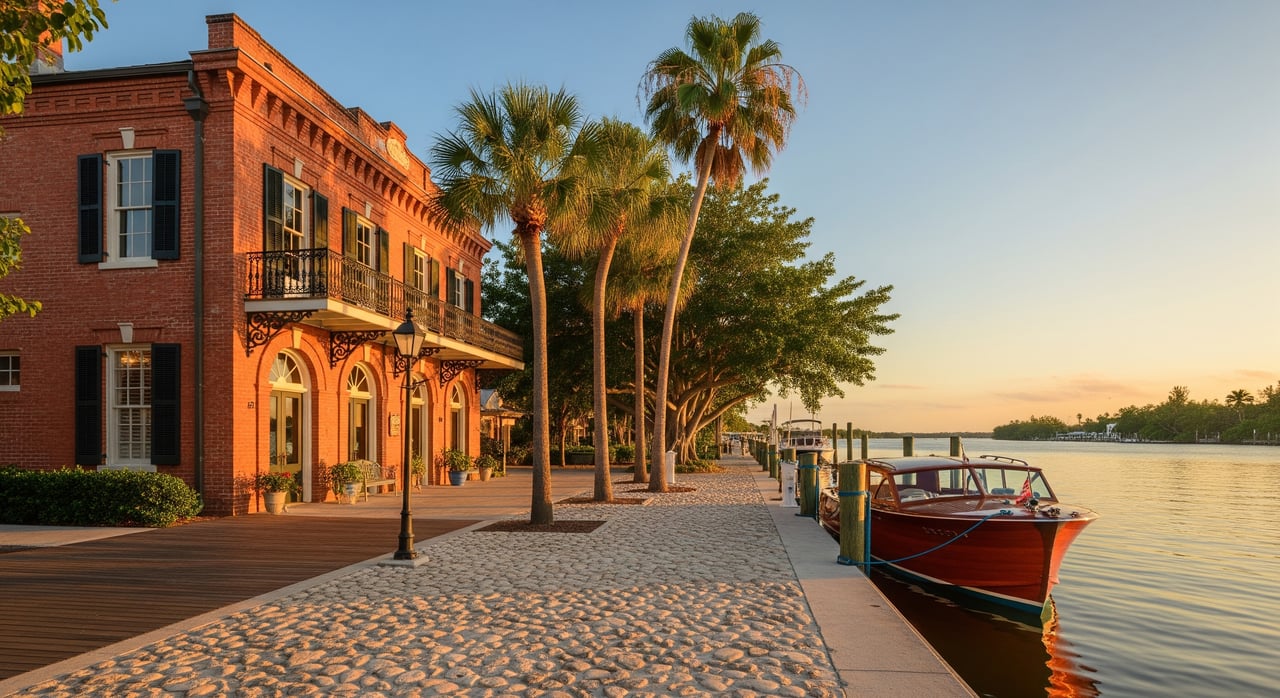
The streets are short-blocked and walkable with sidewalks and street trees. Riverfront parks and promenades frame the public spaces. Many historic structures have been adaptively reused, keeping the area’s sense of place while supporting modern daily life.
City planning, zoning, and historic-preservation processes apply in certain areas, which can affect exterior renovations, signage, and new construction. If you plan to renovate, you will want to understand the local design guidelines and approval steps in advance.
Walkability and parking
You can expect true short walking trips to coffee, dining, galleries, and riverfront parks. Compared with surrounding suburban neighborhoods, this is one of Fort Myers’ most walkable areas. Evening strolls to dinner or a show are part of the rhythm here.
Parking is a mix of on-street meters, public surface lots, and municipal garages. Availability changes with events. Downtown living trades easy proximity to amenities for periodic congestion and tighter parking than you find in the suburbs.
Dining and nightlife
The district’s dining scene is diverse, with independently owned restaurants, casual cafes, bars, and specialty food shops. Many cluster along main downtown streets and near the riverfront. Outdoor seating is common, which adds to the energy on pleasant evenings.
Nightlife includes live music venues and late-evening bars. On festival nights, both pedestrian activity and dining demand ramp up. If you like a lively scene, you’ll appreciate the variety. If you prefer quieter nights, you may want a residence on a calmer block.
Arts, culture, events
Downtown gathers small theaters, galleries, art centers, and local history museums. Regular programming and curated shows make it easy to add a performance or exhibit to your week.
Community events are part of the River District’s identity. You’ll commonly see weekly or seasonal farmers markets, monthly art walks, live music nights, riverfront festivals, and seasonal holiday or boat parades. Dates and formats change, so always check organizer calendars when planning.
Parks and river access
The Caloosahatchee shapes everyday life here. Riverfront parks and promenades offer short walks, sunrise views, and a front-row seat to boat traffic. Picnic lawns, benches, and open spaces invite casual meetups and afternoon breaks.
If you boat or fish, you’ll find nearby marinas, boat ramps, and transient docks, with availability that varies by season. The river links to inland waterways and, through area passes, to the Gulf of Mexico. Many residents plan day boating or casual fishing trips as part of their regular routine.
Transit and regional access
Local bus transit serves downtown, so LeeTran routes can support a car-light lifestyle for errands. For regional travel, you are a short drive from major corridors like I-75 and key US routes. Southwest Florida International Airport is reachable by car, making seasonal travel and visiting guests straightforward.
Commuting patterns depend on where you work. If your job is downtown, you might walk, bike, or ride the bus. If you commute to other parts of Lee County or neighboring cities, you will likely drive to connect with the highways.
Housing options and style
Expect variety in housing types:
- Historic single-family homes and small bungalows
- Loft and condo conversions within older commercial buildings
- Newer infill condos and townhomes near the core
- Multi-family buildings and mixed-use properties with ground-floor retail
This mix appeals to buyers who prioritize walkability, access to arts and dining, and an urban, downtown lifestyle. Empty-nesters, young professionals, seasonal residents, and some families choose smaller footprints in exchange for proximity and convenience.
Investors and second-home buyers may also be drawn to the area. If you are exploring short-term rental possibilities, be sure to verify local regulations and building rules before you buy.
Ownership costs to expect
Downtown ownership often includes a few more line items to research upfront:
- HOA or condo fees, which can be significant for buildings with amenities or flood-mitigation features
- Property taxes, confirmable with the Lee County Property Appraiser
- Homeowner and flood insurance, which vary by property and flood zone
- Utilities and municipal fees
If the home will be your primary residence, Florida’s homestead exemption may apply. Always confirm eligibility and current procedures with the local property appraiser.
Flood risk and insurance
Many riverfront and low-lying parcels downtown sit within FEMA flood zones. This is a critical factor for insurability, financing, and building requirements.
Before you write an offer, confirm the property’s flood-zone designation and base flood elevation. An elevation certificate or site-specific flood analysis can clarify risk and costs. Flood insurance premiums vary by zone and structure type, and private-market options may be available depending on the property.
The city and county continue to address resiliency and stormwater planning. If you are thinking long term, review local planning documents to understand the direction of infrastructure improvements.
Historic rules and renovation
Preservation guidelines can shape what you can change on a building’s exterior. Materials, signage, and design details may need review by the city’s historic-preservation bodies. If you plan a renovation that affects historic elements, expect to submit drawings and secure approvals.
Standard building codes apply, including retrofit and coastal-construction requirements for wind and flood protection. The city’s building department can outline permit steps and timelines. Early due diligence helps you budget and design within the rules.
Parking, storage, boating
Urban properties often have limited private parking and storage. If you own multiple vehicles or a boat, you may need off-site solutions. Buildings differ in how they allocate spaces, storage lockers, or bicycle rooms, so confirm details during showings.
Marina slips and transient docks vary in availability. Some have waiting lists, seasonal rate changes, and specific power or water hookups. If boating is integral to your lifestyle, call ahead to check slip supply, rates, and timelines.
Daily rhythm and seasonality
Life here has a comfortable cadence. Mornings are made for coffee and riverfront walks. Midday brings steady foot traffic around shops and offices. Evenings pick up with dinner, events, and live music.
Seasonal swings are normal in Southwest Florida. During peak season, you will notice more visitors and busier restaurants. Off-season tends to feel quieter, with easier parking and a slower pace. Event days can add street closures and festive energy downtown.
Schools, safety, services
Public schools are administered by the Lee County School District. Attendance zones can vary address by address, so verify the assigned schools for any property you are considering. Private and charter options exist in the broader area, with proximity that differs by campus.
Public safety profiles vary by neighborhood type. Downtowns often show different patterns for pedestrian activity and property-crime compared with suburbs. For objective trends, review current data from the Fort Myers Police Department, the Lee County Sheriff’s Office, or regional crime-mapping services.
Healthcare access is strong across Lee County, with multiple hospitals and clinics serving the area. When you vet a specific address, confirm the nearest hospital, urgent care, and primary care options.
Is the River District for you?
Choose the River District if you value proximity, culture, and a sense of place. You trade larger yards for the ability to walk to dinner, a gallery, and the river in minutes. You accept event-day crowds to gain daily convenience and an active social calendar.
Use this quick checklist:
- You want a walkable neighborhood with restaurants, galleries, and parks nearby.
- You prefer a compact, urban feel over suburban sprawl.
- You are comfortable with structured parking and occasional congestion.
- You plan to verify flood zones, insurance needs, and building rules early.
- You appreciate historic character and the design guidelines that protect it.
If that describes you, the River District can deliver a lifestyle that balances waterfront energy with everyday ease.
Ready to explore the best options in downtown Fort Myers? Connect with Daniel Abreu for boutique, high-touch guidance that aligns your lifestyle goals with the right property.
FAQs
What does a typical day look like in the River District?
- Mornings often start with coffee and a riverfront walk, midday brings steady foot traffic around shops and offices, and evenings feature dinner, performances, and live music.
How walkable is downtown Fort Myers compared with suburbs?
- The River District is among the most walkable areas locally, with short blocks and sidewalks that make daily errands, dining, and parks reachable on foot.
What housing types are available in the River District?
- Options include historic single-family homes, bungalows, loft and condo conversions, newer infill condos and townhomes, and mixed-use buildings.
What should I know about parking and storage downtown?
- Expect a mix of metered street parking, public lots, and garages. Private parking and storage can be limited, so confirm assigned spaces and storage during showings.
How do flood zones affect buying in the River District?
- Many parcels sit in FEMA flood zones. Verify the property’s flood zone and elevation, review insurance options, and factor potential premiums into your budget.
Are there historic-preservation rules for renovations?
- Yes. Exterior changes in designated areas may require review for materials, signage, and design. Confirm permit steps with the city before planning work.
How easy is access to transit and the airport from downtown?
- LeeTran serves downtown for local trips. For regional travel, major corridors like I-75 are a short drive away, and Southwest Florida International Airport is reachable by car.
Do seasonal crowds change the neighborhood feel?
- Yes. Peak season brings more visitors and busier restaurants, while off-season is quieter with easier parking and a slower pace.