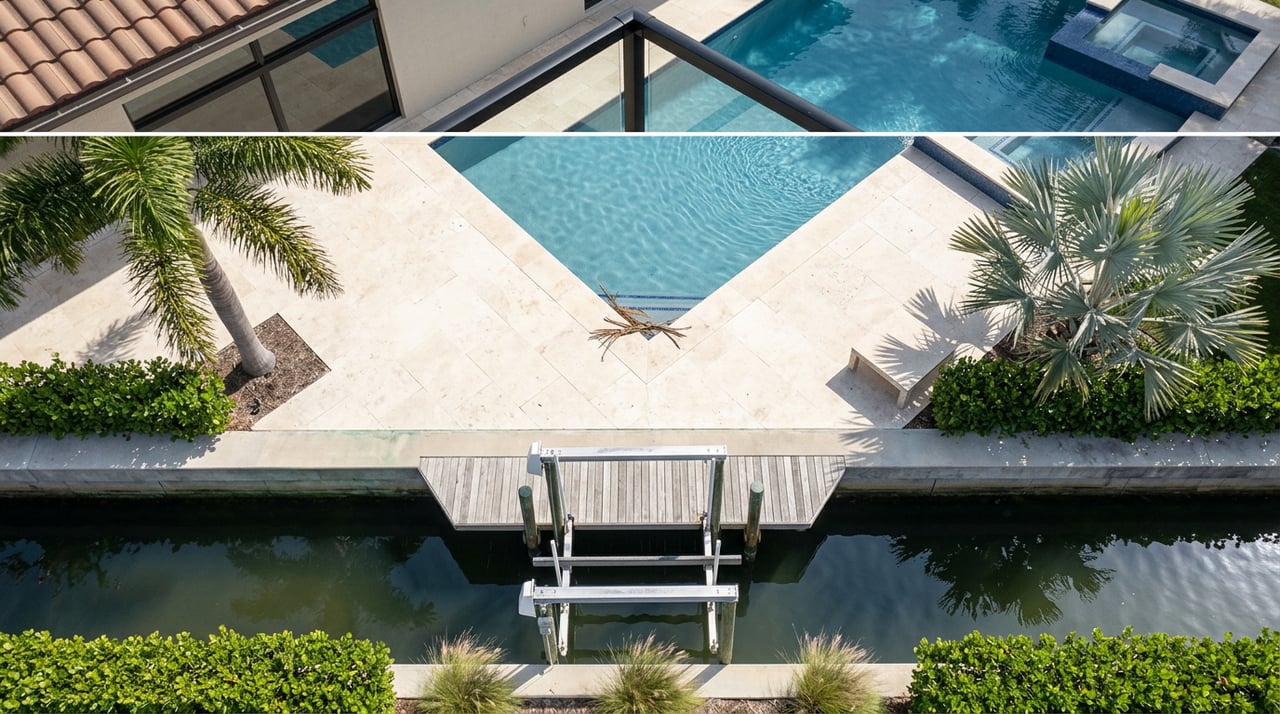
Cape Coral has one of the strongest rental investment markets in Southwest Florida — but the difference between a profitable rental and a cash-flow negative one comes down to the numbers you run before you buy. Here is the step-by-step analysis process every Cape Coral rental investor needs to know.
Cape Coral Is One of SWFL's Best Rental Markets — If You Know What to Buy
Cape Coral consistently ranks among the top real estate investment markets in the country, and for good reason. It is the largest city in Florida by land area, it has over 400 miles of canals, it offers a waterfront lifestyle at price points far below comparable coastal markets, and it has strong rental demand from both long-term tenants and vacation visitors who want the boat-behind-the-house experience.
But — and this is important — not all Cape Coral rental properties are equal investments. The difference between a gulf-access waterfront canal home and an interior freshwater canal home is significant in both purchase price and rental rate. Short-term vacation rental income and long-term tenant income look completely different. Insurance costs vary dramatically based on flood zone and property age. Running the right analysis on the right numbers before you make an offer is what separates investors who build wealth in Cape Coral from those who subsidize a breakeven property for years.
Here is the analysis framework I use with every Cape Coral investment buyer.
Step 1: Establish the Right Rental Income Figure
Short-Term vs. Long-Term Rental — Two Very Different Models
The first decision in your Cape Coral rental analysis is which rental model you are underwriting. Short-term rentals (vacation rentals, Airbnb-style) and long-term rentals (12-month leases) have very different income profiles, expense structures, and management requirements.
Short-term rental income in Cape Coral for a waterfront home with a pool:
- Peak season (December through April): $3,500 to $7,000 per week for a 3/2 gulf-access pool home in good condition
- Shoulder season (October through November, May through June): $2,000 to $4,000 per week at 50 to 65 percent occupancy
- Summer (July through September): $1,200 to $2,500 per week at 30 to 45 percent occupancy
- Annual gross revenue for a well-run STR in Cape Coral: $60,000 to $120,000 depending on location, property quality, and management
Long-term rental rates in Cape Coral for a 3/2 single-family home:
- Gulf-access waterfront: $2,800 to $3,800 per month
- Freshwater canal: $2,200 to $2,800 per month
- Non-waterfront interior: $1,800 to $2,400 per month
Using Real Rental Comps, Not Optimistic Estimates
The most common mistake rental investors make is using best-case rental income in their analysis. Use actual comparable rental data — what similar properties in the same canal zone, same size, and similar condition are actually renting for right now. For short-term rentals, platforms like AirDNA provide historical occupancy and rate data for specific addresses that is far more reliable than estimates. I pull this data for every investor client before we underwrite a purchase.
Step 2: Build the Complete Expense Picture
After establishing rental income, build a complete expense schedule. In Cape Coral specifically, here are the line items that matter most:
- Property taxes: approximately 1.0 to 1.2 percent of assessed value annually in Lee County
- Homeowners insurance: $5,000 to $12,000+ per year depending on the property's age, roof condition, flood zone, and whether it is a short-term rental (STR policies are priced differently than standard homeowners policies)
- Flood insurance: $2,000 to $8,000+ per year depending on flood zone and elevation — get an actual quote for the specific address
- Property management: 10 to 20 percent of gross rental income for long-term management; 20 to 35 percent for full-service short-term rental management
- Maintenance and repairs: budget 1 percent of the property value annually for routine maintenance and repairs; higher for older properties
- HOA fees if applicable: many Cape Coral properties are not in HOAs, but some communities have fees
- Vacancy allowance: 5 percent for long-term rentals; modeled specifically for STR based on realistic seasonal occupancy
- Pool service: $150 to $200 per month
- Lawn service: $150 to $200 per month
- Utilities: for long-term rentals these are typically tenant-paid; for short-term rentals the owner pays electric, water, cable, internet
Step 3: Calculate Your Key Metrics
Net Operating Income
Subtract all operating expenses (everything except mortgage payments) from gross rental income. This is your NOI.
Cap Rate
Divide NOI by the purchase price. For Cape Coral long-term rentals in 2026, realistic cap rates run 4.5 to 6.5 percent depending on the waterfront category. For STRs, gross yields can be higher but the expense load is also heavier. A cap rate below 4 percent in Cape Coral warrants careful scrutiny — at that level, the investment thesis relies heavily on appreciation rather than income.
Cash-on-Cash Return
Subtract your annual mortgage payment from NOI. Divide the result by your total cash invested (down payment plus closing costs). This tells you what your invested dollars are actually earning. In the current rate environment with 6.75 percent financing, many Cape Coral properties produce negative or near-zero cash-on-cash returns — meaning the rental income does not cover the mortgage. This does not automatically make the investment wrong, but it means you need the appreciation thesis to be sound and you need to be able to sustain the monthly shortfall.
Step 4: Evaluate the Cape Coral-Specific Variables
Canal Zone: The Most Important Location Variable
Cape Coral's canal system is not one product — it is several, with meaningfully different values:
- Gulf-access sailboat-depth canals: the top tier — direct to the Gulf with no bridges or locks; highest rents, highest purchase prices, strongest appreciation
- Gulf-access with bridges: still gulf access but limited to boats that can navigate under fixed bridges — somewhat lower rents and prices than sailboat access
- Gulf-access with locks: access through the Spreader Canal system; some limitation on timing and boat size
- Freshwater/drainage canals: not navigable for boats; scenic but not the boating lifestyle; meaningfully lower rents and purchase prices
Never assume canal access without confirming the specific canal type, water depth, and route to open water for any Cape Coral waterfront property.
Flood Zone and Insurance
Cape Coral has extensive areas in FEMA Zones AE and X. The insurance cost difference between a Zone AE property with an older roof and a Zone X property with a new roof can be $5,000 to $7,000 per year — a number that changes the entire investment analysis. Get insurance quotes for the specific address and flood zone before you finalize your analysis.
Short-Term Rental Regulations
Cape Coral currently allows short-term rentals subject to registration and certain operational requirements. However, STR regulations have been a moving target in many Florida municipalities. Before building a short-term rental strategy around a specific Cape Coral property, confirm the current regulatory environment with the City of Cape Coral and factor in the possibility that regulations could become more restrictive.
Ready to make your move in Southwest Florida? Let's talk.
Whether you're buying, selling, investing, managing an estate, or just want an honest read on the market — I'm here for that conversation.
Call or text: 727.638.1704
Email: [email protected]
Or reach out at theabreugroup.com
— Daniel
Frequently Asked Questions
Q: What is the best canal zone to invest in for Cape Coral rentals?
Gulf-access sailboat-depth canals in SW Cape Coral — particularly near Cape Harbour and Tarpon Point — consistently outperform on both rental income and appreciation. SE Cape Coral near the Caloosahatchee River also has strong fundamentals. NW Cape Coral offers better value per dollar but lower rental premiums. The right zone depends on your budget, your target tenant profile, and your appreciation vs. income priority.
Q: Is Cape Coral a good market for Airbnb investment in 2026?
Yes, with the right property in the right location. Waterfront homes with pools in short-term rental-friendly areas of SW and SE Cape Coral have strong vacation rental demand driven by the boating and outdoor lifestyle. The key variables are the STR regulatory environment (currently permissive but worth monitoring), the management quality, and the property's condition and photography quality.
Q: How much should I budget for a property manager in Cape Coral?
For long-term rental management, budget 8 to 12 percent of monthly rent. For full-service short-term rental management — listing optimization, guest communication, turnover cleaning, maintenance coordination — budget 20 to 30 percent of gross revenue. The difference in revenue between a well-managed STR and a poorly managed one far exceeds the management fee difference, so this is not the place to cut costs.
Q: What is a realistic timeline from offer to first rental income in Cape Coral?
For a long-term rental, from accepted offer to having a tenant in place typically runs 60 to 75 days — 30 to 45 days to close, then 2 to 3 weeks to screen and place a tenant. For a short-term rental, getting the property listed and generating bookings can happen within 1 to 2 weeks of closing if the property is properly prepared and photographed. Having the STR setup ready — furniture, linens, photography — before closing is the fastest path to first revenue.
This post is intended for general educational and informational purposes only and does not constitute legal or financial advice. Real estate investment analysis involves financial, legal, and tax considerations that vary based on individual circumstances. Nothing in this post should be relied upon as a substitute for advice from a licensed financial advisor, CPA, or real estate attorney. Please consult with appropriate professionals before making any investment decisions.